





 This Exercise and the Immune system article is contributed by Phil Watson – Research Student, Dept of Biomedical Sciences, University Medical School, Aberdeen
Exercise is good for your health. Isn’t it?
It is generally accepted that regular participation in physical activity is an important factor in the maintenance of health and well being. However in recent years, exercise physiologists have realised that athletes are at a greater risk of developing infections, particularly of the upper respiratory tract (a sore throat), during periods of heavy training and / or competition (see figure 1).
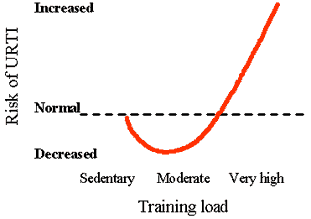
Figure 1: The relationship between the amount of training and the risk of developing throat infections (URTI). While moderate levels of exercise may reduce an individual’s risk of developing an URTI, the risk is greatly increased following periods of strenuous training (adapted from Neiman, 1994).
The immune system consists of many specialist cells that protect the body against attack from bacteria, viruses and fungi that cause illness and infection. Although at rest an athlete’s immune system is similar to an sedentary individual, a strenuous bout of exercise or prolonged periods of heavy training is suggested to produce an ‘open window’ of altered immunity. This may last anywhere between 3 – 72 hours, and consequently increase an individual’s risk of contracting an infection. Moreover, a serious athlete will undertake repeated bouts of training throughout this period, which serves to further stress the immune system when already in a weakened state.
How does this response occur?
Currently the exact nature of this response remains undetermined. Although it appears that a combination of insufficient recovery between training sessions, coupled with a persistent elevation of stress hormones (in particular cortisol), causes a fall in the circulating levels of cells important in fighting infection (leukocytes). As a result, the body is less effective at tackling bacteria and viruses, exposing the body to the risk of infection. For a number of years it was thought that a reduction in the circulating levels of the amino acid, glutamine, was an important factor in this response. As glutamine is a fuel source for cells involved in fighting infection, and this reduction may in turn affect their function. But it now seems that the fall in glutamine levels seen following strenuous exercise is not great enough to alter the function of the immune cells.
Can nutritional supplementation help reduce this risk?
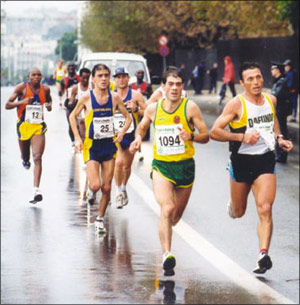 As mentioned above, changes in glutamine levels following prolonged exercise were initially thought to be an important factor in the increased rates of URTI in athletes. While an early field-based study found infection rates were reduced during the week following a marathon when the participants took a drink containing glutamine, these positive findings have not been reproduced in well-controlled laboratory studies.
It is estimated that around 10% of the UK population take some form of vitamin and mineral supplement on a daily basis. While most take these as a form of ‘insurance policy’, many athletes believe that consuming doses many times greater than recommended will improve their performance and protect against illness and injury. Currently, there is no good evidence in the scientific literature to suggest that taking vitamin and mineral supplements is effective in reducing the risk of illness and infection in athletes, and large doses of some vitamins and minerals may actually be detrimental to health. Eating a well-balanced diet, sufficient to meet the increased energy needs of training, will typically provide ample levels of the vitamins and minerals required.
While it appears that glutamine and vitamin supplementation may provide little benefit, carbohydrate supplementation does seem to be valuable in the prevention of infection. Exercise physiologists widely advocate a diet rich in carbohydrates for individuals taking part in regular training and competition, due to the strong link between the depletion of the body’s limited stores of carbohydrate and the development of fatigue during prolonged exercise. A reduction in carbohydrate availability during exercise causes an increase in the release of stress hormones, which negatively influence the production of many immune cells. Therefore consuming a high carbohydrate diet, as well using carbohydrate-containing sports drinks before, during and after training will help alleviate this increase in stress hormone production and consequently reduce the negative effect on the immune system.
Summary
Although moderate levels of exercise are important for the maintenance of general well being and encourage a healthy immune system, strenuous bouts of exercise or periods of heavy training with insufficient recovery can reduce the body’s ability to fight infection. A well-balanced carbohydrate rich diet, coupled with adequate recovery between training sessions, will help eliminate the reduction in the function of the immune system, and lessen the increased risk of infection associated with heavy training loads.
References
Neiman, D. Exercise, infection and immunity. International Journal of Sports Medicine 15; S131-S141: 1994.
This article contributed by Phil Watson








Trackbacks/Pingbacks