by timeadmin | Dec 19, 2011 | Articles, Featured
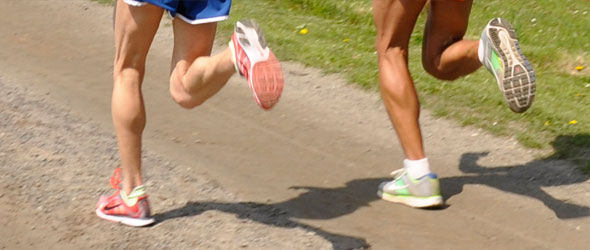
This Training and Competition in Warm Conditions article is contributed by Phil Watson – Research Student, Dept of Biomedical Sciences, University Medical School, Aberdeen Training and Competition in Warm Conditions For those living in the UK, the summer is now...
by timeadmin | Dec 19, 2011 | Featured, Skeletal Muscle
Under this section we shall discuss muscles and their functioning, including the various tests that have been done to discover how muscle fibres differ and how they effect performance In the first inclusion we shall discuss the physiology of muscle function, from its...
by timeadmin | Dec 19, 2011 | Articles, Featured, Skeletal Muscle
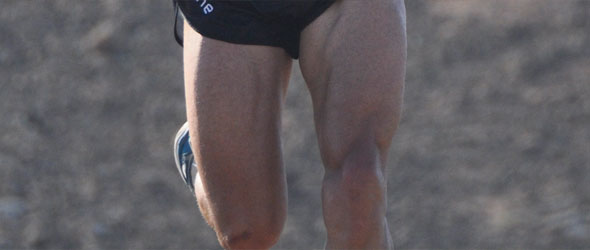
The Motor Unit Each fiber of a muscle can contribute to force production only if it is recruited by the brain. One motor nerve can branch into tens, hundreds, or even a thousand branches, each one terminating on a different muscle fiber. One motor nerve plus all of...
by timeadmin | Dec 19, 2011 | Articles, Featured
In the 1940s, William H. Sheldon introduced his theory of Somatypes in two major works, The Varieties of Human Physique (1940) and The Varieties of Human Temperament: A Psychology of constitutional Differences (1941). His theory proposed three basic body types and...
by timeadmin | Dec 6, 2011 | Articles, Featured
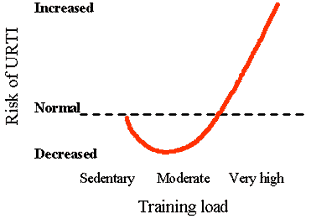
This Exercise and the Immune system article is contributed by Phil Watson – Research Student, Dept of Biomedical Sciences, University Medical School, Aberdeen Exercise is good for your health. Isn’t it? It is generally accepted that regular participation...
by timeadmin | Oct 8, 2011 | Articles, Featured
Exercise Physiology and its origins The first edition of Exercise Physiology: Energy, Nutrition, and Human Performance appeared in 1981; since then, knowledge of the physiologic effects of exercise in general – and the body’s unique and specific responses...