 This article is provided by Cynthia Hayward, Time-to-Run contributor, assisting beginners in making their introduction to running more pleasant and safe.
10 Easy steps to Running
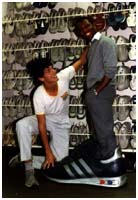
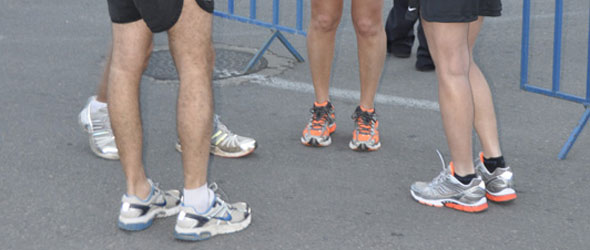
1. Invest in a good pair of running shoes. You don’t have to buy the top of the range, which could set you back several hundred rands. However, it’s important to ensure that your shoes will provide sufficient cushioning to protect your back and lower limbs from injury. Buying your first pair of running shoes
2. Walk before you run! For the first four weeks you should have a 5-15 minute warm-up walk before breaking into a trot, followed by a warm-down stroll.
3. Make sure you run/walk at least three times a week. You won’t really benefit if you do less than this. However, don’t run if you’re unwell, as this might increase the time you’ll take to recover.
 4. Don’t run two days in a row for the first two months. Give your muscles and tendons a chance to adapt to running.
5. Run for time, not distance. Your running program should be designed to gradually increase the time you spend on your feet, rather than the kilometers.
6. Avoid drastic increases in time on your feet. If you ran a total of thirty minutes last week, don’t increase this by more than ten minutes the following week.
7. Avoid copying top athletes! These runners were born with superior genes that enables their bodies to handle stress loads that ordinary runners cannot cope with.
8. Be patient! Don’t be in a hurry to enter road races, etc., no matter how much your friends pressurise you. Wait until you can run at least 30 minutes without resting before lining up for that first 5km fun run.
9. Find a like-minded friend to run with. Some of the greatest friendships have been formed during training runs.
10. Enjoy your running! It’s nice to be competitive, but not if the pressures are going to impact on your health and general life style. Avoid getting into the trap of entering a race every week, come what may, because this is the surest way of becoming injured.
More for the Beginner: