





An optimal diet supplies the required nutrients which are adequate for tissue maintenance, repair, and growth without excess energy intake. It is now possible to make estimate nutritional needs for men and women which should account for their daily energy expenditure. The dietary needs for athletes, however must consider the specific energy requirements attributed to their sport as well as taking into consideration the athlete’s food preferences. Although there is no one diet for optimal exercise performance, the planning and evaluation of food intake should be based on sound judgement.
Carbohydrate intake is of great importance and those athletes who neglect this specific intake in their diet will eventually lead to glycogen depletion, which will definitely effect their training causing ‘staleness’ that will hinder the ability to train and compete. <you have been warned>
The recommended intakes for active men and women are listed in the diagram below:
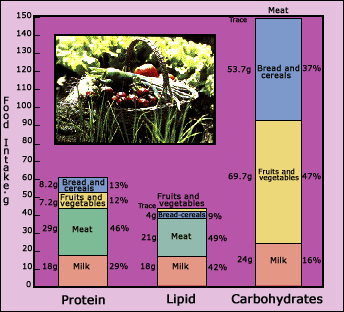
Basic recommendations for carbohydrate, lipid, and protein components and the general categories of food sources in a balanced diet.
These guidelines provide necessary vitamin, mineral, and protein
Proteins
the protein intake of an athlete is considerable higher than the intake recommended by the RDA, however the protein
intake must be in relation to the amount of energy you expend.
Lipids the standards for lipid intake are yet to be firmly established as this area is still being widely tested and little is known about the human requirement for this nutrient. For good health lipid intake should not exceed 30% of the energy intake in your diet. Eliminating lipids may effect your exercise performance level. With low-fat diets, it is difficult to increase carbohydrate and proteins essential to maintaining the athlete’s body weight and muscle mass during extensive training.
Carbohydrates sufficient carbohydrate intake is crucial for an active person. During the inadequate supply of oxygen to the active muscles, stored muscle glycogen and blood-borne glucose are prime energy contributors.
In addition to the anaerobic role of carbohydrates, stored glycogen provides substantial energy during intense aerobic activity. In all active persons, dietary carbohydrates are of the utmost importance.
During more strenuous training for and before competition, the intake should be increased even more so as to ensure sufficient glycogen stores. A general recommendation, for those involved in heavy endurance training, is the daily carbohydrate intake of 10g per kilogram of body mass.
Athletes experiencing chronic fatigue (‘staleness’) during training may attribute this to the gradual depletion of the
body’s carbohydrate reserves, and it is for this reason the carbohydrate intake should be increased to at least 70% of the athlete’s total calories.
Note: rest should play an integral part of any successful athletes program
Exercise and food intake
For individuals who exercise regularly it is relatively easy to match food intake with the daily level of energy expenditure. Below is a diagram of the percentage calories burned by a group of male and female elite athletes. These are based on the averages taken from the study and the purpose is to highlight the expenditure of calories and the importance to replace the calories spent as well as store for the forthcoming day’s intensive training.
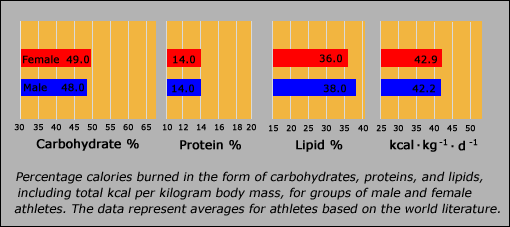
Hopefully, an efficient balance will be found by the athlete in their pursuit towards excellence.
Time-to-Run aims to assist you with nutritional advise in order to make your running experiences more enjoyable and continually emphasizes that it is best to get the direct assistance from a nutritionist and/or dietician so that they are able to ascertain the difference, through testing, in your body fat percentage and lean muscle mass, thereby providing you with a totally individual dietary program.







Trackbacks/Pingbacks