






How do you deal with chafing while running? You running along not a care in the world, so you think.
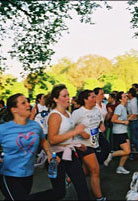 A little later into the run and ‘boy oh boy’ you have a chafe and is it not irritating. The irritation you can cope with but now it has lead to an open wound and it is bleeding. People around you are ready to call in the paramedics, a helicopter is being radioed for. BUT .. before going to all that trouble, let’s discuss the problem and in so doing, try to avoid the look of alarm when you cross the line with blood oozing from the chaffed areas. Yes, this can be a sensitive subject.
How is it caused : They say the major contribution to chafing is from sweating and rubbing. Many of us consider that chafing is a signal that it is time to lose weight, however even the skinniest persons can experience the same problem.
Chafing generally takes place around the groin, underarms and nipples, but it can occur anywhere.
Prevention: Prevention of chafing falls into four categories: try to stay dry, keep hydrated, using a lubricant and wear the proper clothing.
Lubrication before walking with petroleum jelly or an anti-chafing product such as Body Glide or Runner’s Lube.
Try to stay dry: Go light on the deodorant roll-on, as this can lead to a stickier situation. Use talcum powder, cornstarch or potato starch to stay dry, if absolutely necessary.
If all else fails consider using a lubricant.
Hydration: Always drink lots of water during the day, keep hydrated during training and make sure you drink sufficient after exercise. This will assist you in perspiring freely so that the remnants don’t dry into salt crystals which will make the possibility of chafing higher.
Lubrication: While exercising all kinds of lubricants are used to keep the skin areas sliding past each other instead of rubbing raw. Petroleum jelly, bag balm and udder cream are the long-time favourites. Make sure the lubricants are non-staining. They can also be used on your feet and toes, in attempt to avoid blisters.
Clothing: Loose clothes may feel good on the trail, but to prevent chafing you need a snug fit. Bike shorts are designed to give a skin tight fit that will prevent chafing and are excellent if your trouble is in the lower body or thigh area. For the upper body, polypropylene or lycra tops that fit skin tight will do the trick. Also avoid wearing new clothes on a long run, during a hard session [ where the intensity is higher ] or race.
Treatment: Once you are chafed, treat the area like an open wound. Wash and clean with antiseptic to prevent infection and cover with a sterile gauze pad that allows the area to breathe until it is healed.
The worst chafe is the nipple area: There is nothing worse than trying to recover from chaffed nipples, as they stay tender for long after and the chance of them bleeding reoccurring is high. This affects both men and women.
Prevention: As above concentrate on using anti-chafing lubrication. Use fabrics that can deliver moisture from the skin to the outer layer .. the key word being ‘sweat-wicking’.
It is advisable for women to wear sweat-wicking sports bras. And if necessary wear plaster over nipples during your exercise.
All this may seem slightly ‘over the top’, but you will understand if you ever become a member of the CNS – the ‘chafed nipple society’, they can be seen wearing their distinguished badge of red on their tops.
Take heed and avoid the chafing dilemma.
source Time-to-Run – adapted from various articles
See a further article related to the subject
- Avoiding the clothing tag Ouch – a lesson learnt
Author: Gavin Doyle





I have suffered NIGHTMARES from chafing. I have big thighs and get bad chafing due to my thighs rubbing together. I also get bad sweat rash around the groin and my nether regions. I tried using vaseline which stopped the chafing but not the sweat rash. I now use a beeswax salve by mama nature. It does the same job as the vaseline to eliminate chafing but I can also use it for the sweat rash and it also eliminates that. I also use it to heal any blisters etc. It costs a few bob but I THINK it is worth it.