





Sports massage has mechanical, physiological, and psychological responses.
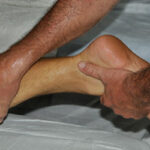
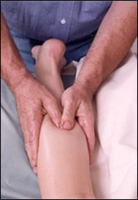 Mechanical responses Mechanical responses occur as a result of the pressures and movements of the hand on the body. These actions stimulate venous and lymphatic drainage and mildly stretch superficial and scar tissue. With friction massage connective tissue can be effectively stretched, helping prevent rigidity in scar formation. By the use of certain massage techniques; an athlete inactive due to injury or swelling surrounding a joint, stagnation of circulation may be prevented.
Physiological responses Massage is known to increase circulation and as a result increase metabolism to the musculature and aid in the removal of metabolites such as lactic acid, resulting in the offsetting of muscle soreness and fatigue. It also assists in offsetting venostasis and edema by increasing circulation at and around the injury site, as well contributing in the normal venous blood return to the heart.The reflex effects of massage are processes that, in reaction to nerve impulses triggered through rubbing the body, are sent to one organ by afferent nerve fibres and returned to another organ by efferent fibres. Reflex responses elicit a number of organ reactions namely body relaxation, stimulation, and increased circulation.Relaxation can be achieved by slow, superficial stroking of the skin. It is a type of massage that is beneficial for tense, anxious athletes who may require gentle treatment.
Stimulation is achieved by quick, brisk action that causes a contraction of superficial tissue. The benefits derived by the athlete are predominantly psychological. He or she feels invigorated after intense manipulation of the tissue. This type of massage was part of warm-up routine in the past, however it is less popular due to the time involved and the knowledge that it is relatively ineffectual physiologically.
An overall improvement in circulation is achieved with mechanical and reflex stimuli. Combined they cause the
capillaries to dilate and be drained of fluid as a result of firm outside pressure, thus stimulating cell metabolism, eliminating toxins, and increasing lymphatic and venous circulation. This assists the healing process.
 Psychological responses The tactile system (the use of touch) is one of the most sensitive systems in the human organism. From earliest infancy humans respond psychologically to being touched.
View the various articles related to Sports Massage :