






Welcome to Time-to-Run – Your online running information portal
LATEST POSTS

The 6 Most Memorable Moments from the Paris 2024 Olympic Track
The 2024 Paris Olympics have etched into history as some of the most talked-about and memorable Games to date. The 6 Most Memorable Moments from the Paris 2024 Olympic Track It all began with the grand opening ceremony, featuring spectacular performances by Lady Gaga...
LATEST POSTS
Masters section update and content
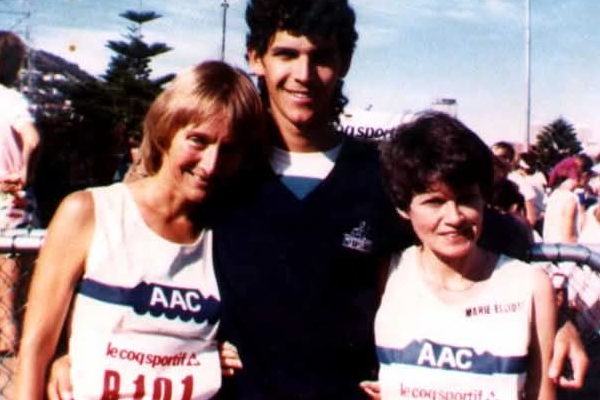
Site information – The Masters section on Time-to-Run – the world’s online running information, has been updated. It is being updated with the intention to provide further content related specifically to Masters Training
POPULAR POSTS
How to run safely in hot weather
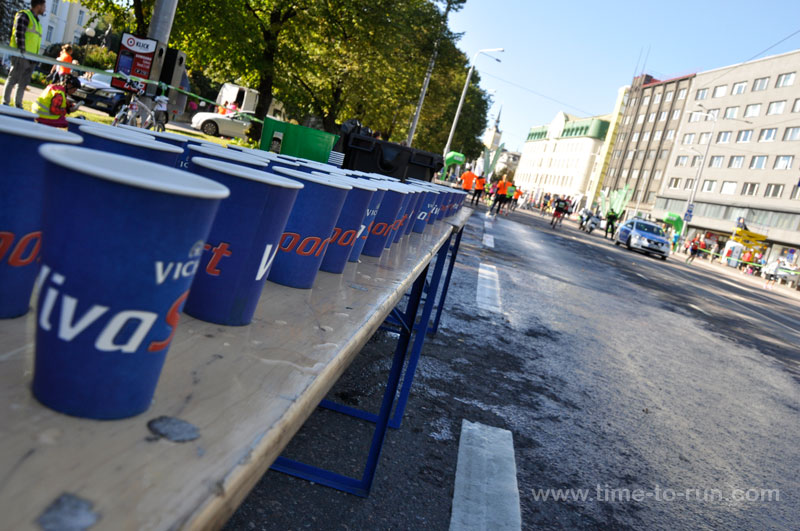
Do you struggle to run in warm weather? Running in hot weather is not easy and can often cause some additional problems if you are not careful.
TIPS
5 Joint Care Tips for Runners
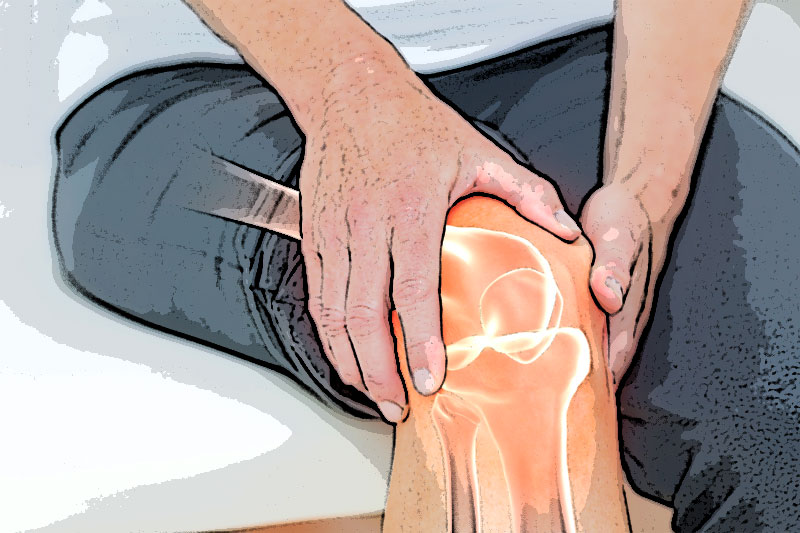
Do your knees hurt while running? Bad knees and other joint complaints are commonplace with runners. There’s a variety of reasons for this concern, which should be addressed as early as possible to avoid unnecessary injuries.
STRENGTH

Why weight/strength training and what are the benefits?
The benefits of weight training, in correct dosages, are enormous. Every athlete makes the mistake of not putting back into their body what running takes out. An automobile needs services to maintain it in working order. However, an athlete does not maintain their...
STRETCH

3 Stretching Tips for New Runners
Running may seem easy, but it is quite possibly one of the most difficult forms of exercise to master. Not only do you have to get to grips with breathing exercises and learn to put one foot in front of the other properly, but you need to run regularly if you are to...


PARA
Ballard for London Para
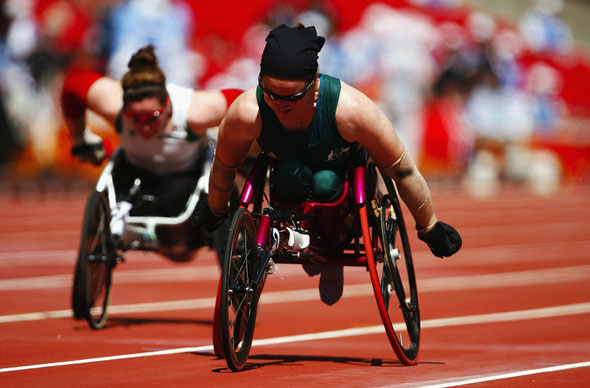
Selection to a fourth Australian team for the 2012 Paralympic Games couldn’t have come at a better time for Angela Ballard (NSW). She is ranked number one internationally in the wheelchair 100m and 200m (class T53) and will head to London (GBR) on the back of a strong...
NEWSFEED
EVENTS
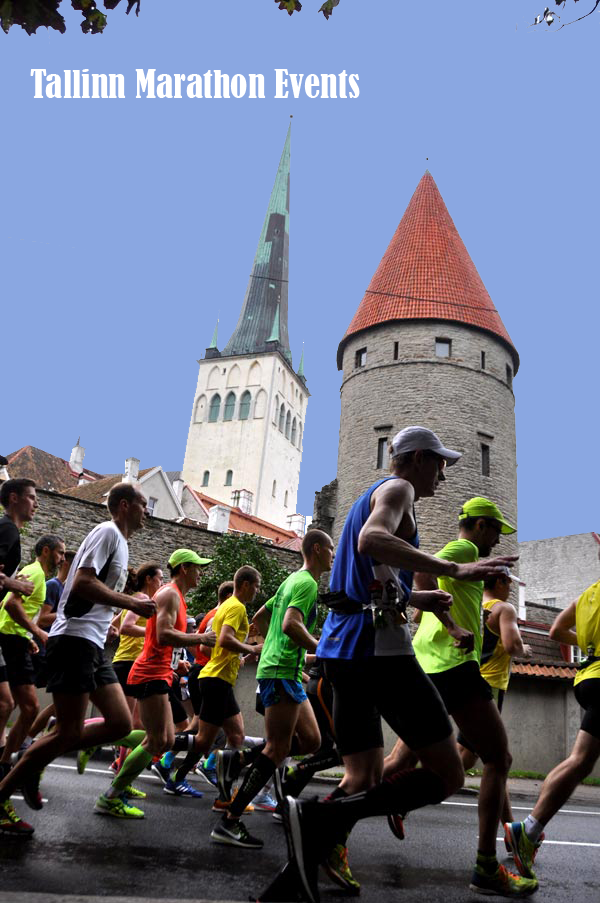
Return to Tallinn 2019
In 2019, we look to return to Estonia to participate in the Tallinn Half Marathon which is part of the Tallinn Marathon events weekend that takes place from the 6th to 8th September.


10 Things You Can Learn from Olympic Runners to Apply to Your Training
Olympic runners practise hard, but they acquire habits. You can use many of these strategies without the need for elite quantities or a professional lifestyle.

James Thie
'Running for my Dinner Money' by Paul Grech It would have been the ideal way for British athletics to celebrate the 50th anniversary of Sir Roger Bannister's historic sub-4 minute mile. Yet the joy for Michael East's third place finish and subsequent bronze medal in...

Welcome to the Yoga Area
We have dedicated time to this subject, because we feel that anything that improves mind, spirit and body, can only improve one's life and running performances. Yoga - What is yoga and what are the benefits People from all walks of life benefit from the wonderful...
The Side Stitch
Do you suffer from the dreaded side stitch? As a beginner runner or jogger, the dreaded ‘side stitch’ can often be a more than uncomfortable experience, with the pain being dull to sharp.